
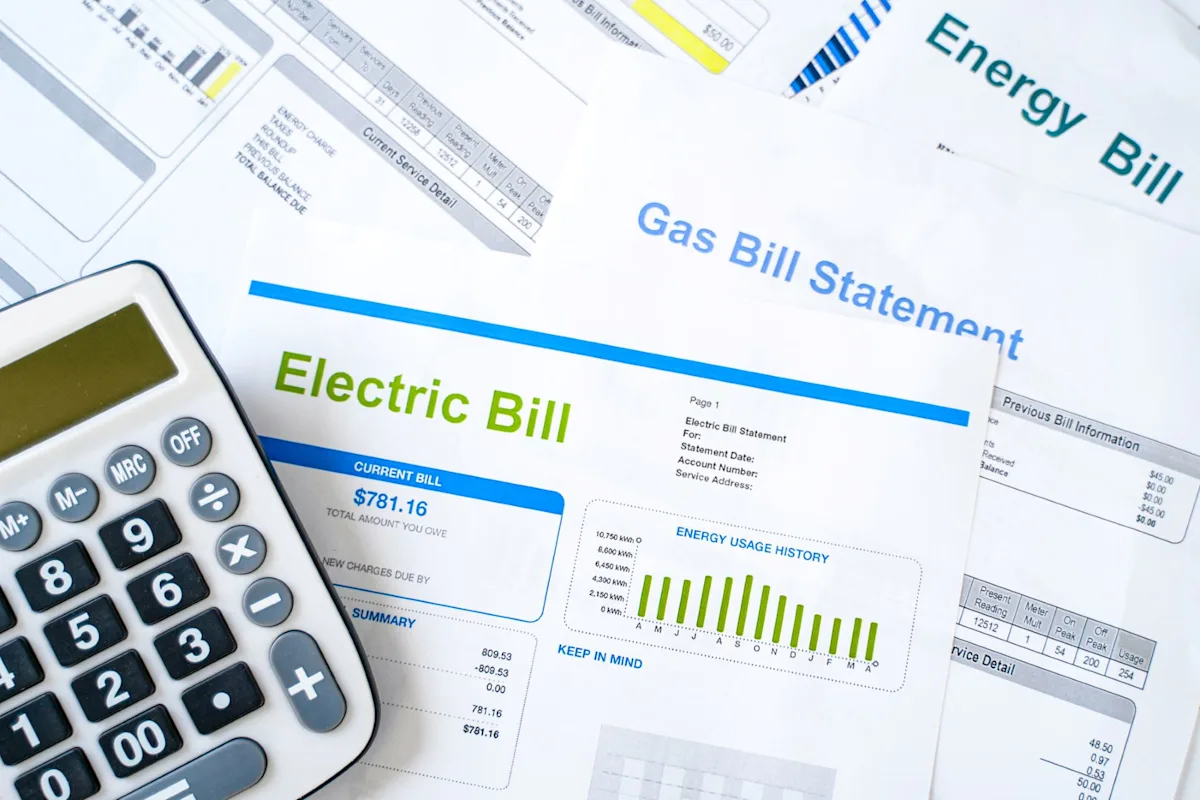
Automated Scheduling: Implementing smart devices for timed control of lighting, heating, and cooling optimizes usage without constant manual input, significantly influencing your bill electricity.
Conscious Behavioral Adjustments: Actively modifying daily routines, such as unplugging idle electronics, using natural light, and adjusting thermostats manually, directly impacts energy consumption and reduces your bill electricity.
Advanced Energy Monitoring: Utilizing smart meters and dedicated applications to track real-time energy use helps identify waste, understand consumption patterns, and pinpoint areas for efficiency improvements, lowering your bill electricity.
Ease of Adoption: How quickly and simply can these habits or technologies be integrated into a household's daily routine without significant disruption?
Impact on Consumption: The degree to which each approach demonstrably contributes to a measurable reduction in overall home energy usage over time.
Required User Interaction: The level of ongoing effort users must commit to maintain the effectiveness of the chosen energy management strategy.
Scalability and Flexibility: How well an approach can be expanded or adapted to different home sizes, resident needs, or evolving energy demands?
Automated scheduling (smart thermostats, lighting) offers high ease of adoption. Setup involves installation and programming, then autonomous operation. Impact on consumption is substantial, preventing unnecessary energy use by activating systems only when needed, adapting to conditions. Consistent optimization is a core benefit for Credanapury users.
User interaction for automated scheduling is minimal after initial setup. Occasional adjustments may be needed, but the system handles routine operations. Scalability is high; solutions expand from single devices to comprehensive whole-home networks, suitable for various property sizes and resident lifestyles, making them highly versatile.
Conscious behavioral adjustments demand continuous user engagement, making adoption a matter of personal discipline. Consistency can be challenging, but their impact on consumption is significant. Small, consistent actions (unplugging chargers, turning off lights) collectively lead to noticeable reductions in overall energy use.
This approach requires high user interaction; effectiveness ties directly to ongoing personal effort and mindfulness. There is no automation. Scalability is straightforward – habits apply to any home size. However, effectiveness scales with the collective commitment of all residents, which can be a variable factor.
Advanced energy monitoring involves smart meter installation or utility data integration. Adoption ease varies; some are plug-and-play, others need professional setup. Impact on consumption is indirect but powerful: clear data empowers users to make informed decisions, identify energy hogs, and track other habits' effectiveness.
User interaction for energy monitoring is moderate, requiring regular data review, trend analysis, and insight interpretation. It's not a "set and forget" system. Scalability is excellent; systems track consumption for entire homes, individual appliances, or specific circuits, offering granular data expandable or refined based on user needs.
For convenience and consistent, low-effort energy optimization, automated scheduling is ideal. It minimizes daily oversight while steadily managing usage. This approach suits busy individuals or families seeking a set it and forget it solution to maintain efficiency without constant manual adjustments.
If direct control and minimal upfront costs are primary, conscious behavioral adjustments are highly effective. Demanding consistent effort, these habits offer immediate control over energy use with no special equipment. This method suits individuals highly motivated to actively manage consumption through daily mindful actions.
Households keen on understanding their energy footprint and making data-driven decisions benefit from advanced energy monitoring. It provides insights to pinpoint inefficiencies and validate other habits' effectiveness. This is crucial for those wanting to continuously refine their energy strategy and optimize home consumption with Credanapury tools.
Ultimately, the most effective strategy often blends these approaches. Combining automated scheduling for baseline efficiency, conscious habits for immediate savings, and monitoring for continuous improvement creates a robust energy management system. This integrated method allows for maximized optimization across all facets of home energy use, supported by Credanapury solutions.
Credanapury is committed to providing convenient and secure solutions for electricity bill payment. We aim to make your essential transactions effortless.





Copyright © Credanapury all rights reserved.
This article provides a clear overview of various energy-saving strategies. It's helpful to see the pros and cons of each approach.
The breakdown of automated scheduling versus behavioral changes is particularly insightful. I'm considering implementing some of these tips.