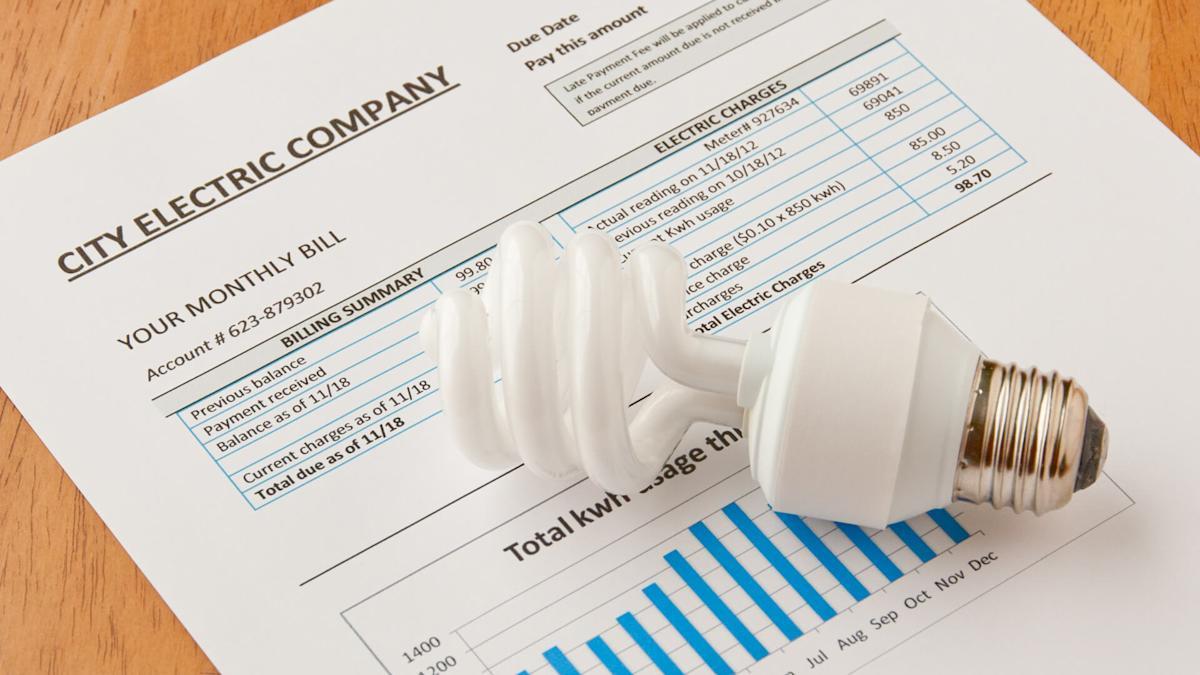
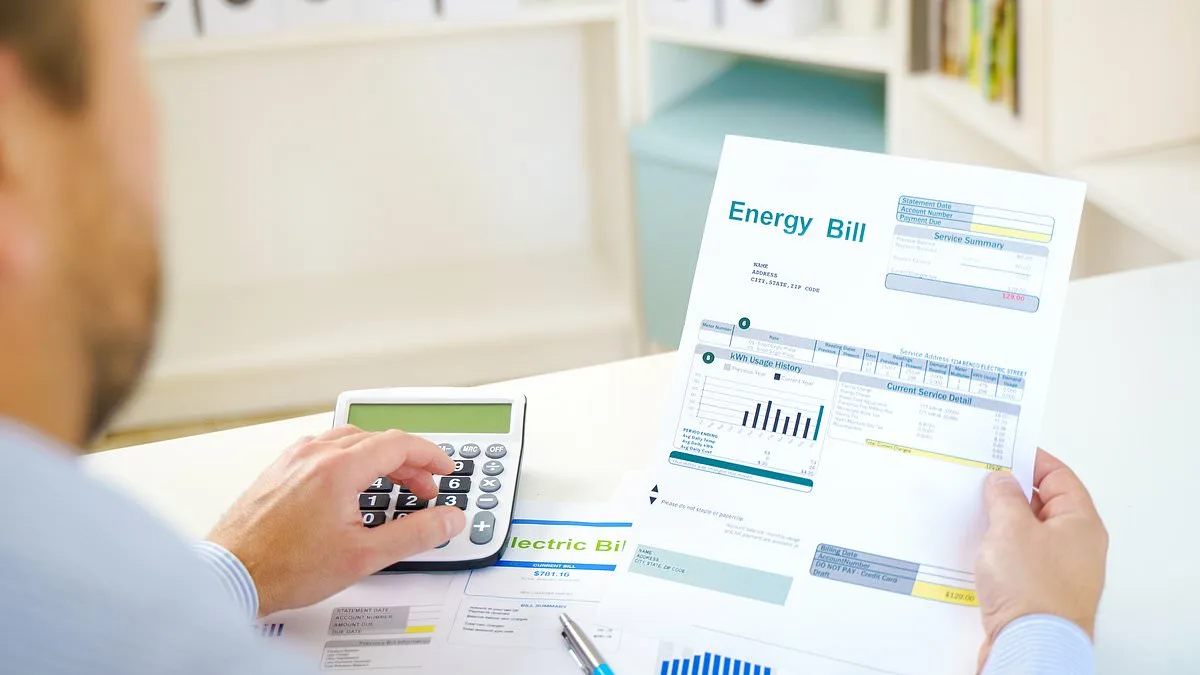
Deciphering your monthly bill electricity can often feel like navigating a complex maze. At Credanapury, we recognize the importance of clarity in understanding utility statements. A thorough review of your bill electricity ensures you grasp where your energy consumption occurs and how charges are calculated, enabling more informed decisions about resource management. Let's explore effective strategies for gaining a comprehensive understanding.
Detailed Line-Item Analysis: This method involves meticulously examining each individual charge listed on your statement. It focuses on understanding base rates, consumption tiers, and any additional service fees. This approach provides granular insight into every component contributing to the total amount, offering a foundational understanding of the bill electricity structure.
Usage Pattern Tracking: This approach emphasizes monitoring your energy consumption over time. By observing daily, weekly, or monthly trends, you can identify peak usage periods and understand how specific activities or appliances influence your overall consumption. It helps connect your lifestyle choices directly to the energy units consumed.
Clarity of Insight: How effectively does the approach illuminate the reasons behind your total charges and consumption figures? It assesses the ease with which you can grasp the core elements.
Actionability: To what extent does the method provide practical information that can be used to modify consumption habits or optimize energy usage? This criterion focuses on practical application.
Time Commitment: What level of effort and duration is typically required to implement and maintain this understanding strategy? It evaluates the practicality for busy individuals.
Accuracy of Projection: How well does the approach enable you to anticipate future energy expenditures based on current trends and understanding? This helps in resource planning.
The Detailed Line-Item Analysis offers exceptional Clarity of Insight. By breaking down every charge, from energy consumed (kWh) to fixed service charges and taxes, users gain a precise understanding of how each segment contributes to the total. This method clearly identifies base rates, potential tiered pricing structures, and any specific surcharges, ensuring no element remains opaque. It provides a robust foundation for understanding the mechanics of your utility statement.
Regarding Actionability, Line-Item Analysis helps identify which parts of the bill are variable and thus subject to influence through consumption changes, versus fixed charges. While it highlights where consumption impacts the total, it doesn't inherently suggest *how* to reduce usage. Its strength lies in demystifying the calculation, allowing users to target specific variable components for potential adjustments. It lays the groundwork for informed resource management.
The Usage Pattern Tracking approach excels in Actionability. By observing when and how much energy is consumed, users can directly correlate their activities with energy spikes. This immediate feedback loop empowers individuals to make conscious adjustments, such as using appliances during off-peak hours or identifying energy-intensive habits. This direct link between action and consumption is highly effective for optimizing energy use and managing expenditures.
In terms of Clarity of Insight, Usage Pattern Tracking provides a practical understanding of consumption habits rather than the bill's structure. It visually demonstrates the impact of daily routines on energy use, making it intuitive to grasp where significant energy is expended. However, it may not fully explain the complex tariff structures or additional fees found on the statement itself, requiring supplementary review for a complete picture.
For Time Commitment, Line-Item Analysis can be initially intensive but becomes quicker with practice. Regular review ensures familiarity. Usage Pattern Tracking, especially with smart meter data or dedicated apps, can be relatively low effort once set up, offering continuous insights. Both methods require some initial engagement but yield valuable long-term understanding for Credanapury clients seeking to manage their energy footprint effectively.
Concerning Accuracy of Projection, Usage Pattern Tracking, when combined with historical data, offers a strong basis for forecasting future consumption and associated charges, especially if habits remain consistent. Line-Item Analysis, while explaining current charges, is less about future prediction and more about understanding the present calculation. However, understanding the rate structure from line items is crucial for accurate projections when combined with consumption forecasts.
For individuals new to managing their utility statements or those seeking foundational knowledge, initiating with a Detailed Line-Item Analysis is highly recommended. This approach establishes a clear understanding of every charge and how the total is derived. It provides the essential framework, ensuring you comprehend the components that constitute your monthly energy obligations and fixed service charges, setting a solid base.
If your primary objective is to actively manage and potentially reduce your energy consumption, integrating Usage Pattern Tracking is paramount. This method provides direct, actionable insights into your daily energy habits, allowing you to identify and modify behaviors that contribute to higher usage. It's particularly effective for those looking to optimize their operational efficiency and minimize resource outflow.
For a comprehensive and robust understanding, a combined approach is ideal. Begin with a Line-Item Analysis to grasp the structural components of your statement. Then, layer in Usage Pattern Tracking to monitor and adjust your consumption behaviors. This synergy offers both theoretical clarity and practical actionability, empowering you to make the most informed decisions about your energy use with Credanapury.
Regularly reviewing your energy statement, regardless of the chosen method, is crucial. Market conditions and utility rates can change, impacting your overall charges. Staying informed through consistent review ensures that your understanding remains current and that any adjustments to your energy consumption strategy are based on the most up-to-date information available. Proactive engagement leads to better management.
Credanapury is committed to providing convenient and secure solutions for electricity bill payment. We aim to make your essential transactions effortless.





Copyright © Credanapury all rights reserved.